Our 5G-mLAN® as a privately operated 5G campus network is a high-performance mobile network. It is a dedicated infrastructure specifically designed for operational requirements. Due to its performance parameters, the 5G campus network can also fulfill the functions of a local transport network.
1. Predictable performance
Through the exclusive use of frequencies, bandwidths can be guaranteed and latencies minimized – regardless of the load on public networks. Applications with real-time requirements, such as automated guided vehicle systems or industrial image processing, are reliably supported.
2. Full data sovereignty
All data remains within the company's own network – the core system is operated locally. This means: maximum control, high security, and better integration into existing IT security architectures.
3. High scalability
Our 5G-mLAN® can be flexibly adapted – in terms of the number of connected devices, network coverage, or security mechanisms. This makes it ideal for dynamically growing IT infrastructures and Industry 4.0 applications.
4. Differentiation from public networks
With public mobile network providers, private 5G networks are often operated as so-called "network slices" within the public network – comparable to VLANs. In such cases, the operation and ownership of the network are no longer fully in the hands of your company.
5. Local control
All connections, users, and devices are authenticated and administered directly within your own network – independently of external operators. This ensures your company retains control over data flows, access rights, and network resources at all times.
6. Maximum security
5G-mLAN® also enables the highest level of security – especially when access is consistently restricted to registered 5G CPEs (Customer Premises Equipment). By using dedicated SIM or eSIM profiles in combination with company-internal management, device access can be seamlessly controlled and secured.
7. Open RAN architecture
The Open RAN architecture enables flexible, vendor-independent network design while simultaneously reducing operating costs. Every 5G-mLAN® campus network is optimally tailored to your requirements. This creates a future-proof, scalable solution with maximum interoperability and investment protection.
1. Core (Core Network):
The heart of the campus network controls all security-relevant processes, data flows, and the management of connected devices. It is operated locally – often on virtualized platforms (e.g., using Druid Raemis) – and can be seamlessly integrated into existing IT infrastructure.
2. RAN – Radio Access Network:
The radio access network forms the physical connection to end devices. It consists of several radio cells (small cells) that are strategically distributed across the company premises to ensure comprehensive coverage.
3. Devices – End-device level:
Devices are authenticated and prioritized via SIM cards or eSIMs. Depending on requirements, data can be processed directly at the network edge to minimize latency. Connection to corporate IT is typically established via VPN.

Technical specifications:
Frequency range: 3.7 - 3.8 GHz (locally licensed, exclusively usable)
Bandwidth: Data rates of around 1 Gbps in the downlink and 200 Mbps in the uplink (depending on the 5G system)
Latency: ~10 ms RTT (Round-Trip Time) – for real-time applications
Availability: ≥99.9% (scalable up to 99.999%)
Device density: Thousands of devices per square kilometer (depending on the 5G system)
Security level: Full data sovereignty through your own core network and proprietary (e)SIM management
Other areas include:
Management & Control – Network Monitoring and Control:
Central management systems allow for the efficient administration of network resources and the control of user rights and security policies.
Internet, LAN, WAN – Flexible Connectivity:
The campus network can optionally be connected to external networks, such as the public internet, a corporate network (LAN), or a wide area network (WAN). This allows cloud services, remote sites, or central data centers to be securely connected via a firewall.
Legal Framework and Frequencies
Frequencies are assigned by the Federal Network Agency (BNetzA) on a site-specific basis for a term of ten years. Prerequisites include a viable usage concept and technical feasibility at the desired location. The administrative effort is manageable, and annual costs currently amount to approximately 1,300 euros per license.
The advantage: The frequency is available exclusively to the applicant company, ensuring predictable quality and maximum independence. This allows for the construction of a 5G network that is precisely tailored to operational requirements—without external dependencies or shared resources.

A 5G campus network is a strategic building block for creating high-performance, secure, and scalable communication infrastructure. Technologically state-of-the-art. Operationally in your hands.
Learn more in our 16-page solution brochure:
- What is a 5G campus network powered by Compart?
- Advantages of a private 5G network
- Maximum security through controlled access
- Diverse use cases and applications
- Technical structure – simply explained
- Why is 5G technology so powerful?
- Wi-Fi and 5G – When does which make sense?
- From site to 5G campus network
- Your partner for 5G campus networks
- Operational Services
- What is your next step?

“With our 5G living lab here in Lünen, we are setting a milestone for digital transformation in the region. We offer companies the opportunity to test forward-looking technologies directly on-site and take their network infrastructure to a new level—efficiently, sustainably, and innovatively.”
– says Dirk Hartmann, Managing Director of Compart IT-Solutions GmbH.
A 5G campus network always consists of three areas:
Other areas include:
1. Core (Core Network):
The heart of the campus network controls all security-relevant processes, data flows, and the management of connected devices. It is operated locally—often on virtualized platforms (e.g., using Druid Raemis)—and can be seamlessly integrated into existing IT infrastructure.
2. RAN – Radio Access Network:
The radio access network forms the physical connection to end devices. It consists of several radio cells (small cells) that are strategically distributed across the company premises to ensure comprehensive coverage.
3. Devices – End-Device Level:
Devices are authenticated and prioritized via SIM cards or eSIMs. Data can be processed directly at the network edge as needed to minimize latency. Connection to corporate IT is typically established via VPN.
Management & Control – Network Monitoring and Control:
Central management systems allow for the efficient administration of network resources and the control of user rights and security policies.
Internet, LAN, WAN – Flexible Connectivity:
The campus network can optionally be connected to external networks, such as the public internet, a corporate network (LAN), or a wide area network (WAN). This allows cloud services, remote sites, or central data centers to be securely connected via a firewall.
Legal Framework and Frequencies
Frequencies are assigned by the Federal Network Agency (BNetzA) on a site-specific basis for a term of ten years. Prerequisites include a viable usage concept and technical feasibility at the desired location. The administrative effort is manageable, and annual costs currently amount to approximately 1,300 euros per license.
The advantage: The frequency is available exclusively to the applicant company, ensuring predictable quality and maximum independence. This allows for the construction of a 5G network that is precisely tailored to operational requirements—without external dependencies or shared resources.
“With our 5G living lab here in Lünen, we are setting a milestone for digital transformation in the region. We offer companies the opportunity to test forward-looking technologies directly on-site and take their network infrastructure to a new level—efficiently, sustainably, and innovatively.”
– says Dirk Hartmann, Managing Director of Compart IT-Solutions GmbH.
5G campus networks are already being used productively across a wide range of industries today. Their modular design and high adaptability enable a multitude of specific applications where traditional wireless solutions (Wi-Fi) reach their limits.
Group & voice communication
Secure, lag-free voice communication for teams—such as emergency responders, control centers, or production staff. Push-to-Talk (PTT), Push-to-Video (PTV), and group radio are also reliably supported via 5G.
Research & medical technology
In laboratories or operating rooms, every millimeter and every millisecond counts. A campus network offers highly available, interference-free communication with full data protection.
Smart factory & connected production
Machines communicate in real time, and production chains are orchestrated flexibly. Sensors, robotics, and AI access edge computing resources directly—with minimal latency.
Temporary networks for events or construction sites
Rapid deployment, clearly defined coverage areas, and high user capacity—a campus network can be provided on a temporary, site-specific basis.
Autonomous logistics systems
Automated guided vehicles, automated storage systems, or drones—all of these require a stable, uninterrupted data connection, often across expansive sites.
Positioning & tracking
Whether in production, logistics, or security, precise real-time location tracking is becoming the standard. A 5G campus network enables centimeter-accurate positioning and seamless indoor/outdoor tracking of machines, vehicles, or personnel.
Industrial manufacturing:
~10 ms RTT (Round-Trip Time), high availability
Intralogistics via AGVs:
(Automated Guided Vehicles)
Seamless roaming, prioritized data transmission
Robotics & AI systems:
~10 ms RTT (Round-Trip Time) for real-time applications
Private network architecture:
Stable bandwidth, deterministic data flow
Medical technology:
Redundancy, data protection, low interference
Events/construction sites:
Mobility, short-term deployment
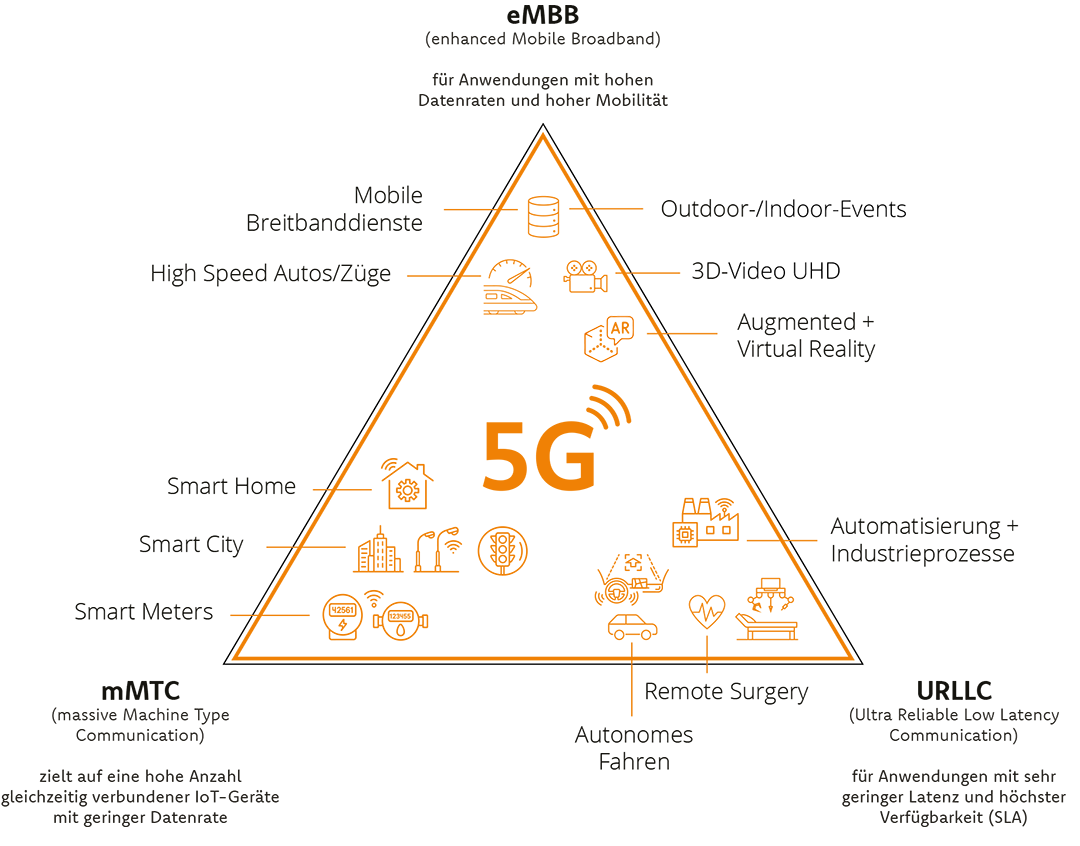
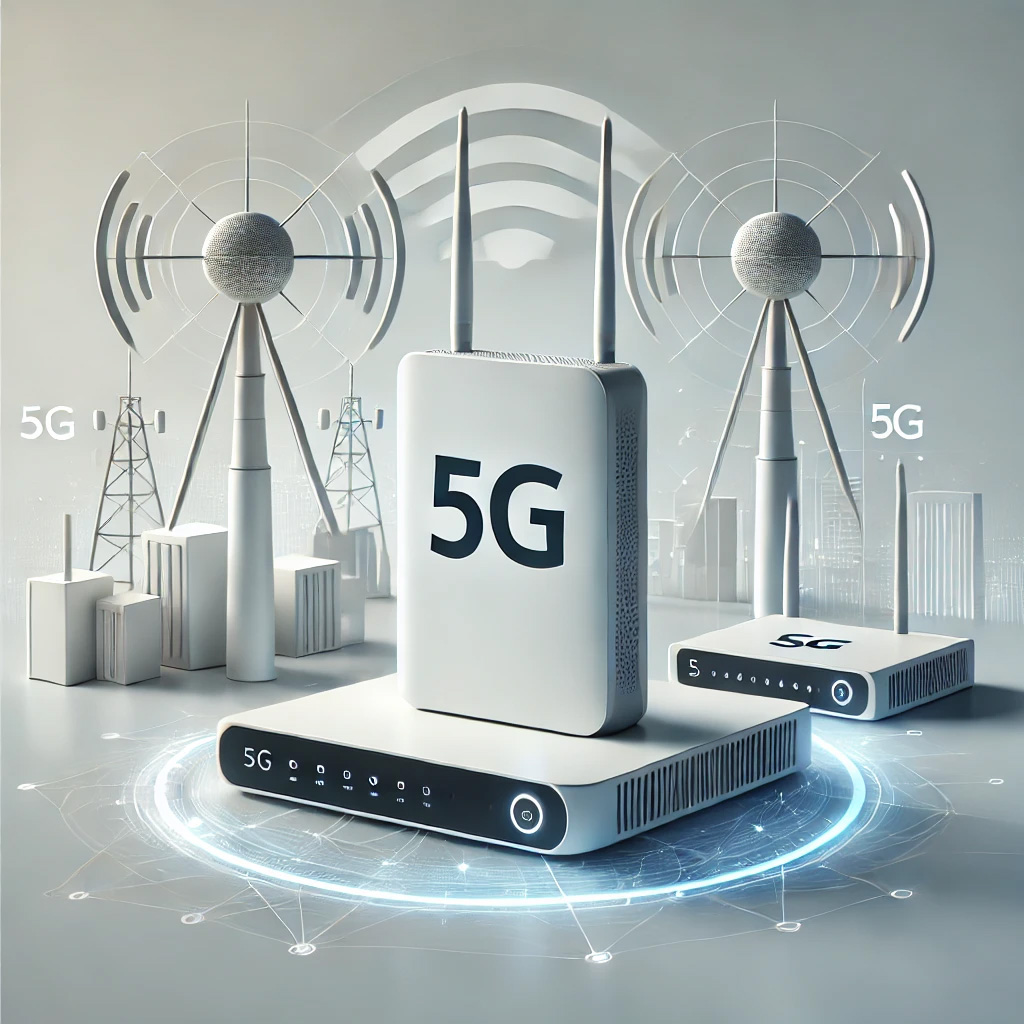
5G routers and gateways

Medical devices and wearables
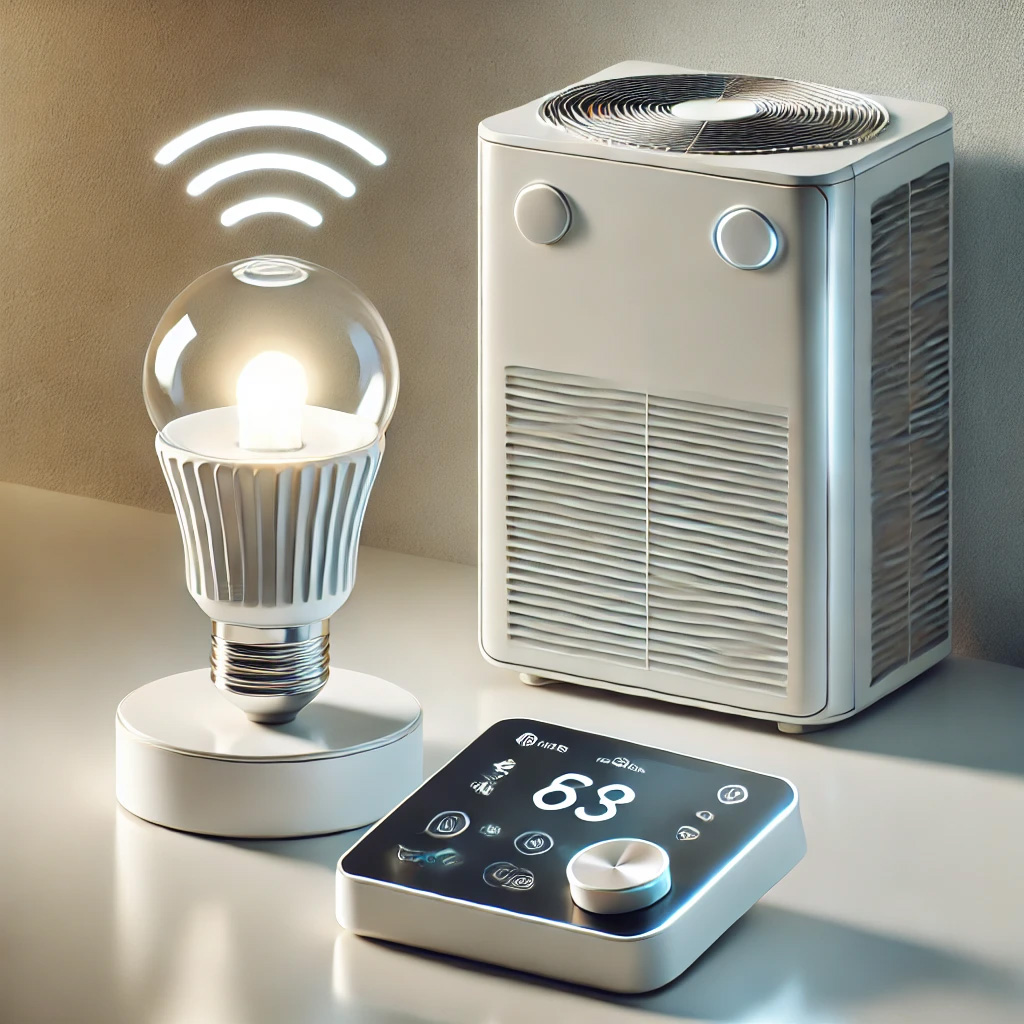
IoT devices and sensors
(smart lighting and HVAC)
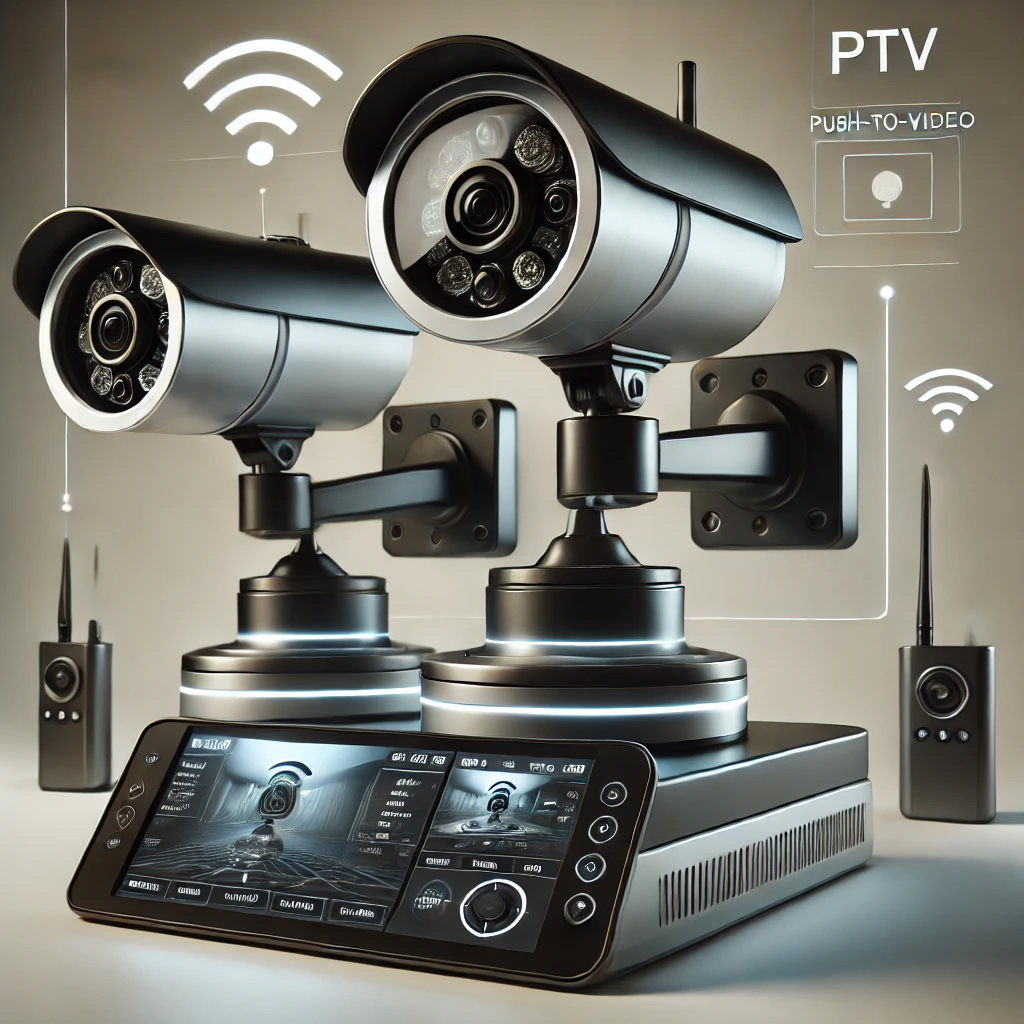
Security equipment such as cameras
with push-to-video (PTV)

Group communication:
Smartphones, tablets, and laptops

Traffic control systems such as
traffic lights, barriers, and gates

5G walkie-talkies with
push-to-talk (PTT)
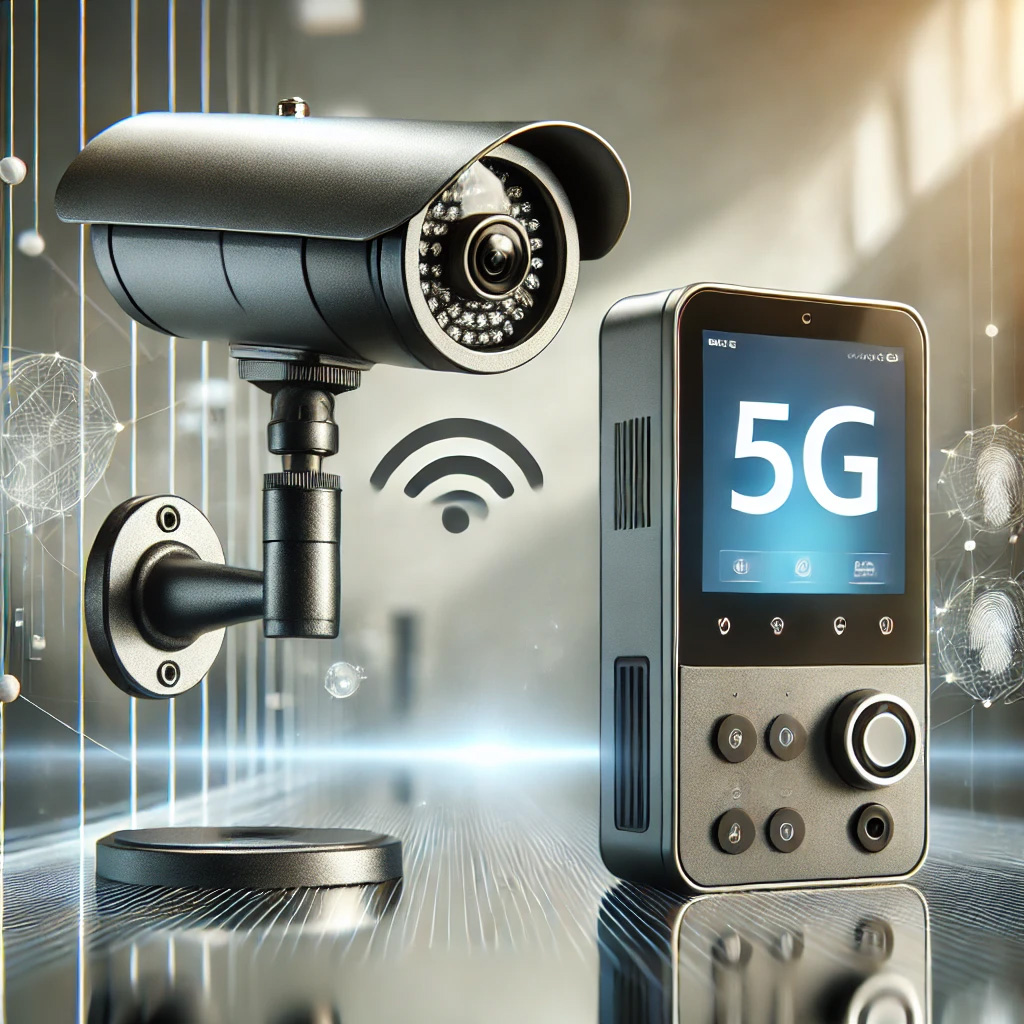
5G cameras and access control systems

Positioning/tracking:
Autonomous vehicles, robots, and drones

Smart farming equipment
A 5G campus network is a strategic building block for creating high-performance, secure, and scalable communication infrastructures. Technologically state-of-the-art. Operationally in your hands.
Find out more in our 16-page solution brochure:
- What is a 5G campus network powered by Compart?
- Advantages of a private 5G network
- Maximum security through controlled access
- Diverse use cases and applications
- Technical setup – explained simply
- Why is 5G technology so powerful?
- Wi-Fi and 5G – When does which make sense?
- From site to 5G campus network
- Your partner for 5G campus networks
- Operational Services
- What is your next step?
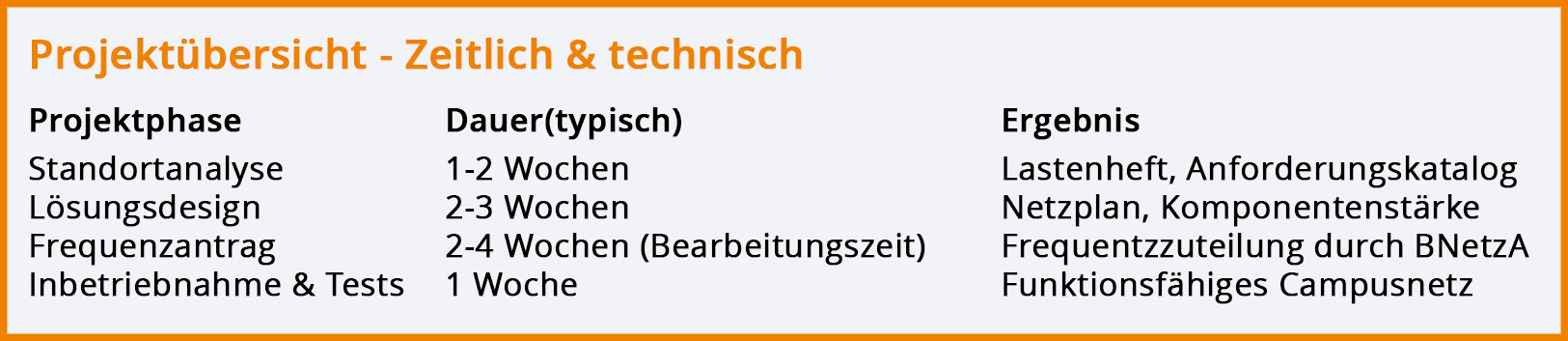
The setup of the 5G-mLAN® follows a structured, plannable project sequence. This creates full transparency, calculable costs – and a high degree of planning security. From the initial site assessment to productive commissioning, we accompany you through every step.
The setup of a high-performance 5G campus network begins with a carefully planned site survey. This involves a structural and radio-technical inspection during which all site-specific conditions are recorded – including building structures, technical infrastructure, and potential sources of interference. At the same time, application scenarios are identified together with the customer, and the necessary performance requirements are defined. This step is essential to gain early clarity regarding technical feasibility, effort, and costs.
This is followed by the site coverage survey, which is divided into several phases: First, the site is analyzed topographically and structurally – obstacles to radio coverage are identified. In the subsequent frequency planning, it is checked which frequency ranges can be optimally used. With the help of professional measurement systems, a comprehensive signal survey is carried out to precisely record the quality and range of the network. Based on these results, targeted adjustments are made to ensure consistently stable coverage – both indoors and outdoors.
Building on this, the technical solution design is created. This includes the concrete planning of the core network, the selection and placement of radio cells (RAN), integration into existing IT systems, and the definition of power and data lines. In parallel, the frequency application is submitted to the Federal Network Agency, including a usage and area concept for the selected range in the 3.7–3.8 GHz spectrum. After successful approval, the network is commissioned with test operation and comprehensive monitoring of network performance. The subsequent operational phase includes the management of end devices via (e)SIMs, the assignment of rights and priorities, user training, and – depending on the model – SLA-supported regular operation.


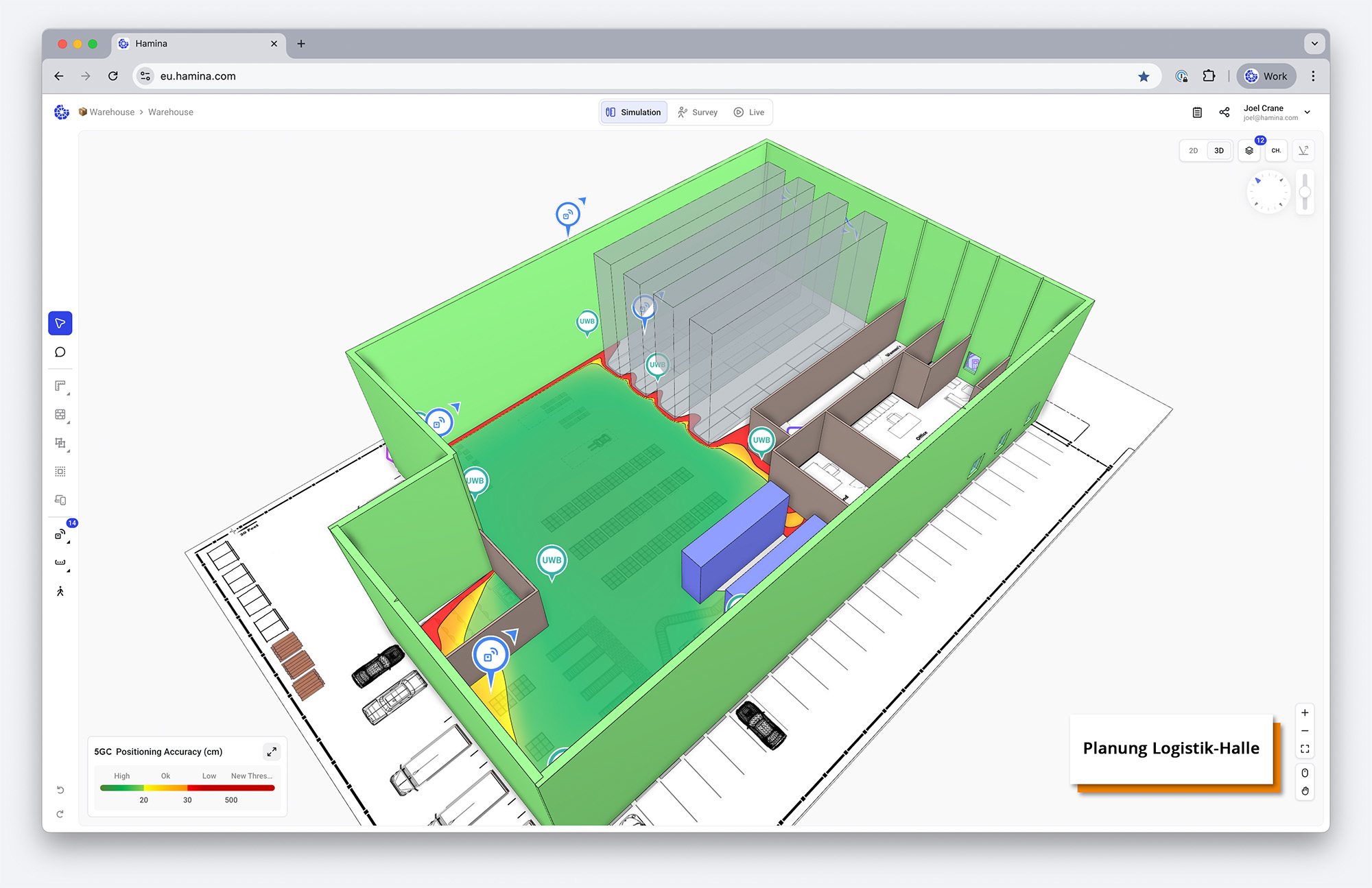

1. Site survey
The site survey is a structural inspection during which all aspects relevant to execution are recorded and coordinated with other trades. This is followed by an assessment of the structural, technical, and radio-technical conditions on the premises, as well as the identification of application scenarios and their performance requirements. After the site survey, all facts are on the table, and all implementation costs can be derived and determined.
2. Site coverage survey
The coverage survey is carried out in several steps:
3. Solution design
Technical planning of the core network, selection and site determination (indoor/outdoor) of radio cells (RAN), and integration into existing IT systems. Determination of necessary antenna masts, equipment cabinets, etc., and definition of cable routing for data and power.
4. Frequency application to the Federal Network Agency
Application for the desired site in the 3.7–3.8 GHz range, including usage concept and area description.
5. Commissioning, testing & monitoring
Setup, configuration, and test operation. Ongoing monitoring of system performance.
6. (e)SIM management & operating model
Management of end devices and user rights via your own SIM cards or eSIMs – including prioritization, authentication, training, and, if required, SLA-based operation.
A 5G campus network opens up new possibilities – in real time, securely, and exactly where your processes require it. Getting started is easier with a structured approach, a solid technical foundation, and an experienced partner by your side. Whether it's an initial consultation, a pilot project, or direct implementation – we support you from the first conversation to the operation of your network. Start now – with one of the following offers:
Free initial consultation
An initial assessment of your site and requirements – neutral, non-binding, and with a technical focus.
On-site or online workshop
Detailed requirements gathering, initial feasibility analysis, and presentation of potential system architectures and operating models.
Request a planning package
Frequency check, preliminary network sketch, timeline, and effort estimation for your specific campus network project.
Set up a test network for 30 days
Real conditions. Real performance. A real basis for decision-making.
Partner program & reseller models
For system houses, integrators, and IT service providers, we offer flexible white-label models and support for project business.
A 5G campus network is a strategic building block for creating high-performance, secure, and scalable communication infrastructures. Technologically state-of-the-art. Operationally in your hands.
Learn more in our 16-page solution brochure:
- What is a 5G campus network powered by Compart?
- Advantages of a private 5G network
- Maximum security through controlled access
- Diverse use cases and applications
- Technical setup – explained simply
- Why is 5G technology so powerful?
- Wi-Fi and 5G – When does which make sense?
- From site to 5G campus network
- Your partner for 5G campus networks
- Operational Services
- What is your next step?
Your request is important to us. We would be happy to advise you personally and, if you wish, work with you to develop a tailored solution.